

Before she became Henry VIII’s discarded queen, Catherine of Aragon was someone far more compelling – a young woman of extraordinary intelligence, ambition, and resolve. The Spanish Princess restores that woman to the centre of her own story, delivering a historical drama that burns with political intrigue, fierce loyalty, and the quiet thunder of a woman refusing to be erased. Directed by Chanya Button and starring Charlotte Hope in a career-defining performance, this is period drama at its most vivid and purposeful.
The Power of a Reclaimed Narrative
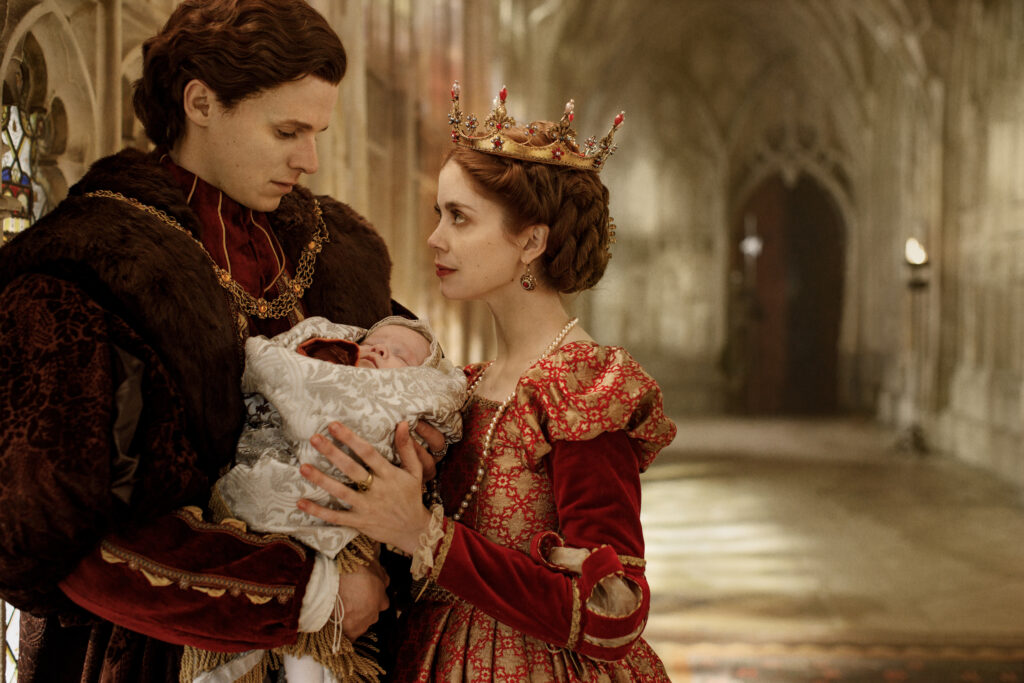
History has long defined Catherine of Aragon through her husband’s decisions. This series dismantles that framing with striking confidence, beginning with her arrival in England – not as a passive bride, but as a trained diplomat shaped by the formidable Spanish court of Isabella of Castile. Every scene carries the weight of a woman who understands power, who reads rooms, and who refuses to surrender her identity to the expectations of a foreign throne.
Complex Characters at the Heart of the Story
Charlotte Hope brings Catherine to life with rare nuance, portraying a woman who is simultaneously vulnerable and calculating, devout and pragmatic. She’s surrounded by equally layered figures: Harriet Walter delivers a masterclass as the sharp-minded Margaret Beaufort, whose piety masks relentless political ambition, while Laura Carmichael adds further depth as a court figure navigating loyalty and self-preservation. Stephanie Levi-John and Aaron Cobham round out a cast that gives this world genuine texture and emotional complexity.
A Court Alive with Tension and Betrayal
The Tudor court here is no decorative backdrop – it’s a battlefield. Every alliance is provisional, every friendship potentially transactional. The series explores how women in particular wielded influence through proximity, language, and patience, mapping a political landscape where survival demanded as much skill as any sword.
3 Defining Themes in The Spanish Princess
Three tensions run through the series, resonating far beyond the Tudor period. First, identity under pressure – Catherine’s struggle to remain herself while conforming to English expectations speaks to any experience of cultural displacement. Second, the nature of loyalty, tested constantly among women who need each other yet compete for the same diminishing resources. Third, the politics of marriage as statecraft, where love and duty collide in ways that feel urgently modern despite the period setting.
Why It Resonates with Modern Audiences
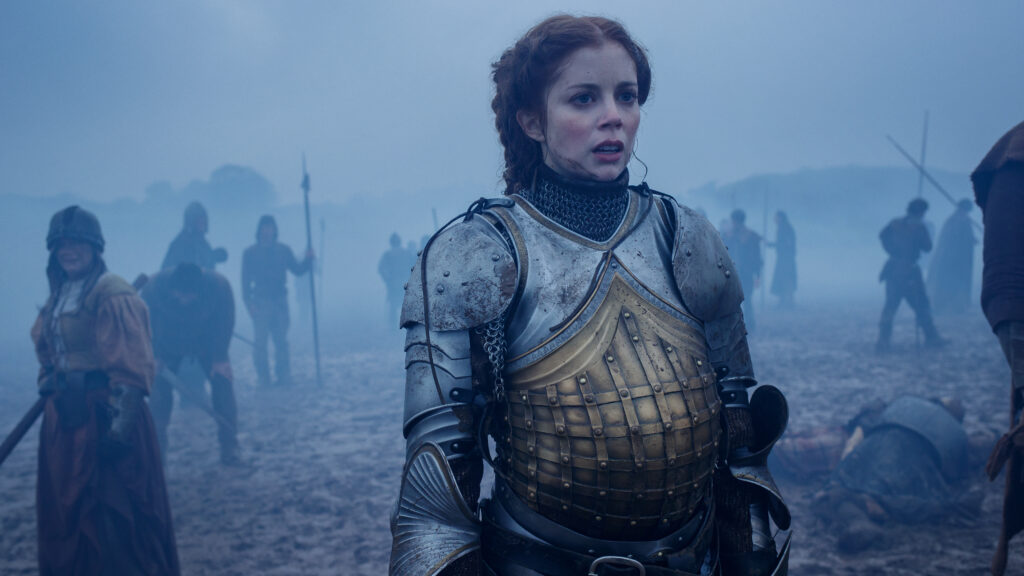
Period drama earns its relevance when its characters face dilemmas that feel genuinely human, and this is exactly that. Catherine’s fight for recognition, her refusal to accept a diminished version of herself, and her navigation of a world that consistently underestimates her are experiences that translate across centuries. Chanya Button’s direction keeps the storytelling grounded and emotionally honest, never allowing spectacle to overwhelm character.
Where to Watch
- Episode Premieres:
- Tuesdays
- 1 September 2026 to 20 October 2026
- 21:00 CET
- See full TV schedule for additional dates
FAQ: The Spanish Princess
Q: Is The Spanish Princess historically accurate?
A: The series takes creative liberties while grounding itself in documented history. It captures the political realities of the Tudor court with genuine attention to detail, particularly regarding Catherine’s diplomatic background and the power structures surrounding the English throne.
Q: What makes it different from other Tudor dramas?
A: Unlike most Tudor productions, this series centres Catherine as the protagonist with full agency rather than positioning her as Henry VIII’s wife. That shift in perspective transforms familiar history into something genuinely fresh and dramatically compelling.